
Botox for Jaw Clenching & Teeth Grinding: Does It Actually Work?
If you wake up with a sore jaw, tension headaches, or a dentist who keeps mentioning worn-down enamel, you've probably already searched for answers on jaw clenching and teeth grinding, known clinically as bruxism. Botox for the masseter muscle has become one of the more talked-about options, but it's worth understanding what it actually does before booking anything. Here's a clear, evidence-based look at how it works, what the research shows, and where it fits alongside dental care.
Key Takeaways
- • Botox relaxes the masseter (jaw) muscle, which can reduce clenching force, jaw pain, and grinding-related headaches.
- • Results typically last 3 to 6 months per treatment.
- • It treats muscle overactivity, not the underlying cause of bruxism, so it works best alongside dental care or a night guard, not instead of it.
- • Many clients also notice a gradual jawline-slimming effect as an overactive masseter relaxes over time.
What is bruxism, and why does it happen?
Bruxism is the clinical term for clenching or grinding your teeth, whether you notice it during the day or grind unconsciously at night. It's driven by a mix of causes, including stress, anxiety, sleep disorders, and bite alignment, and it can lead to worn or cracked teeth, jaw pain, tension headaches, and TMJ (temporomandibular joint) symptoms over time. The masseter, the primary muscle used to bite and chew, is usually the muscle doing the overworking.
How does Botox help with jaw clenching?
Botox works by temporarily blocking the nerve signals that trigger muscle contraction. When it's injected into the masseter, the muscle can't clench as forcefully, which reduces the intensity of grinding, the strain on your jaw joint, and the tension headaches that often come with it. It doesn't change why you clench, whether that's stress or a sleep-related trigger, it changes how much damage that clenching can do while you address the underlying cause.
What does the research actually show?
This isn't just anecdotal. Clinical research, including studies on botulinum toxin and nocturnal bruxism, has found that masseter injections can meaningfully reduce clenching force, jaw discomfort, and grinding frequency in many patients. Reputable clinical sources including Cleveland Clinic and Mayo Clinic describe Botox as a legitimate option for bruxism-related symptoms, typically used as part of a broader treatment plan rather than a first-line or standalone therapy. As with any treatment, individual response varies, and a consultation is the only way to know if it's a good fit for your specific pattern of clenching.
What results can you expect?
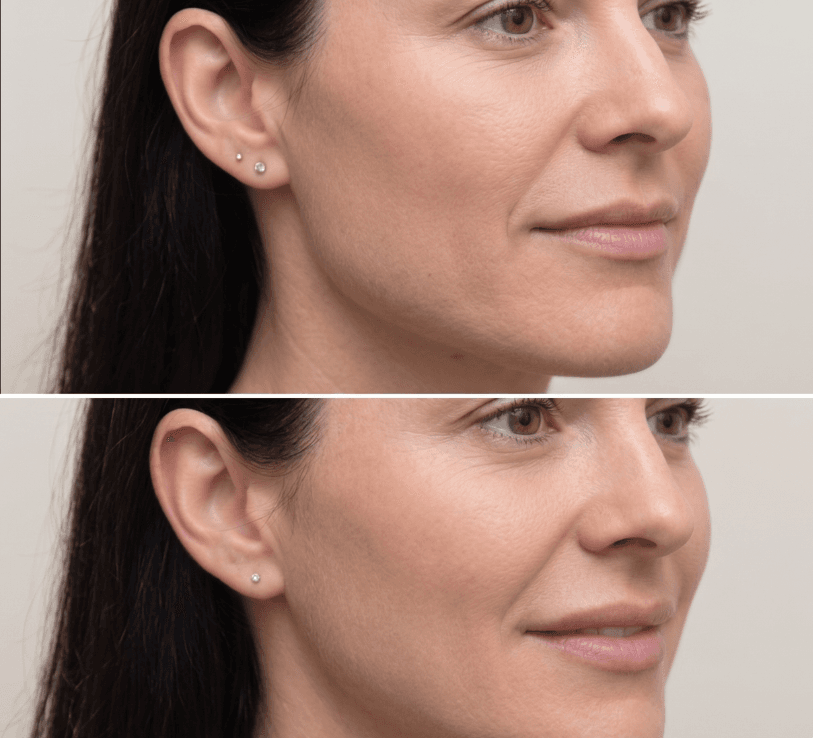
Most clients notice softening of clenching intensity within a week or two, with full effect settling in over the following weeks. Results generally last 3 to 6 months, and many people settle into a rhythm of two to three treatments a year. Because the masseter is also a major contributor to a square or bulky jawline, relaxing it over multiple sessions often produces a gradual slimming effect along the lower face, a welcome side effect for many clients, though your provider can calibrate dose toward symptom relief, cosmetic slimming, or a balance of both depending on your goals. If facial contouring is your main priority, our jawline slimming treatment uses the same muscle target with dosing tailored toward that outcome.
Is Botox a replacement for a night guard or dental care?
No, and this is worth being clear about. Botox addresses muscle overactivity, not the root causes of bruxism, which can include stress, sleep disorders, or how your bite fits together. If you're dealing with clenching or grinding, the most effective approach usually combines Botox with guidance from a dentist or, when relevant, a sleep specialist. This treatment doesn't replace dental or medical care, and clients with significant jaw pain, TMJ symptoms, or migraines should also be evaluated by the appropriate healthcare provider.
Who tends to be a good candidate?
Clients with visibly enlarged or overactive masseter muscles, frequent clenching or grinding, jaw tension headaches, or a square jawline driven by muscle bulk are typically well suited to this treatment. Your provider will evaluate your jaw muscles, clenching pattern, and goals during a consultation before recommending a dose.
Curious if masseter Botox is right for you?
Every clenching pattern is different. Book a consultation to have your jaw muscles assessed and get a treatment plan tailored to your symptoms and goals.